


Metal panel curtain wall system


Introduction of metal panel curtain wall system
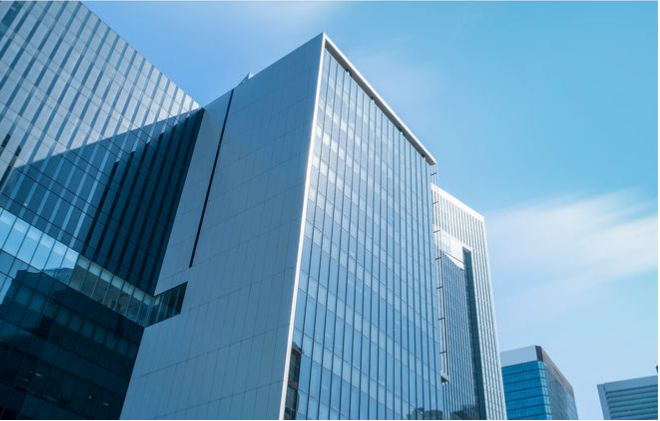
It is composed of metal plates as panels and supporting structure system. It is a decorative structure for the building's exterior that does not share the effects on the main structure of the building and can have a certain displacement capacity.
Features of metal panel curtain wall system
Lightweight material reduces the load on the building; excellent waterproof, anti-fouling and anti-corrosion properties, long-lasting exterior surface; variety of colors and combination into different appearance shapes, expanding the design space of architects.
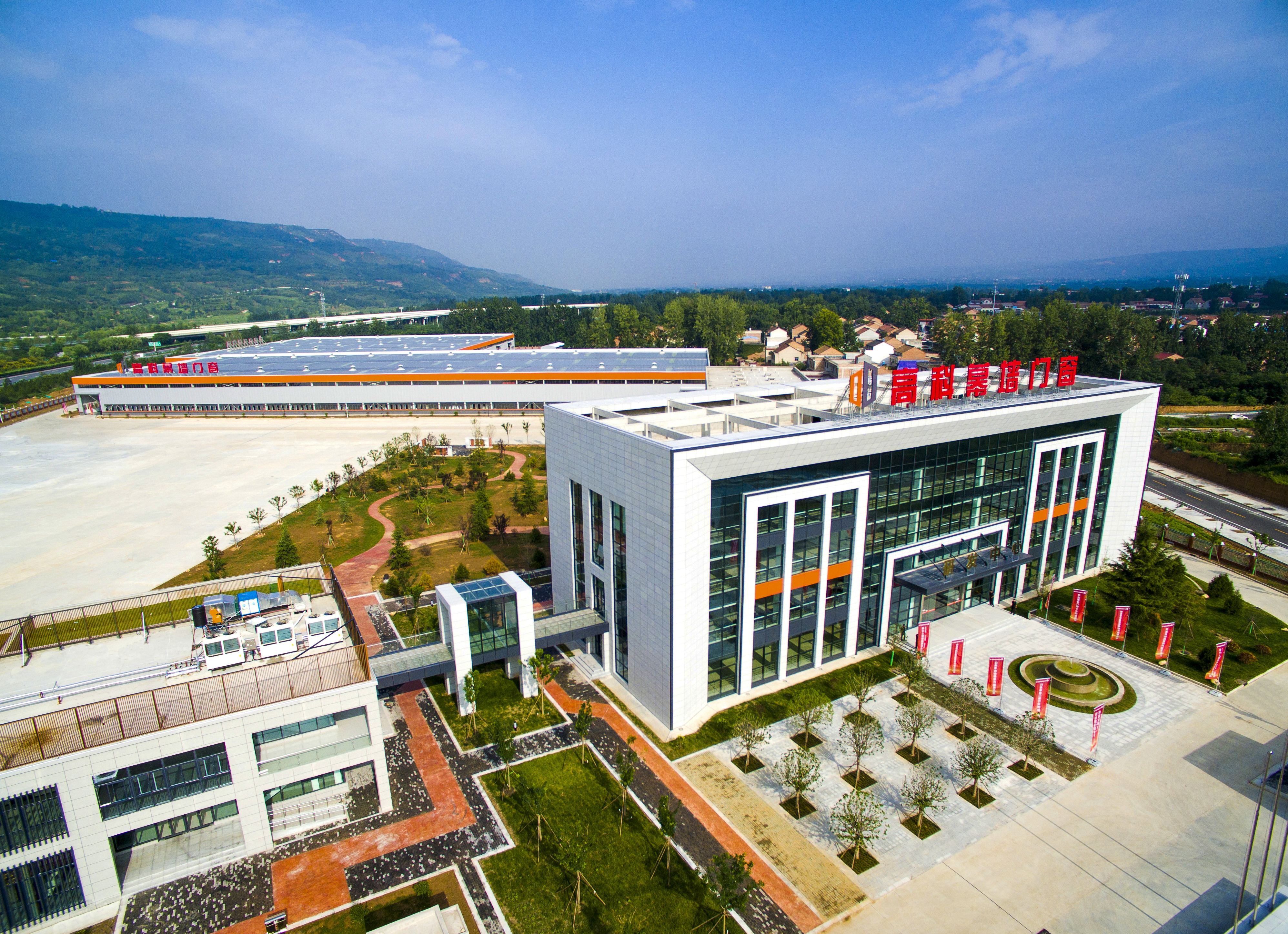
Components of the metal panel curtain wall system
The metal panel is used as a decorative surface layer, which is connected to the main body of the building through the metal frame and adapters behind the panel. The system also includes the structures required for fire protection, lightning protection, heat preservation, sound insulation, ventilation, sunshade and other functions.
Classification of metal panel curtain wall system
Metal curtain walls are classified differently according to the material of the panel, and can be mainly divided into color-coated steel panels, aluminum panels, aluminum composite panels, honeycomb aluminum panels, anodized aluminum panels, titanium zinc panels, stainless steel panels, copper panels, titanium panels, etc. Metal curtain walls can be mainly divided into glossy panels, matte panels, profiled panels, and corrugated panels according to the different surface treatments of the panels.

.png)

