
In today’s architectural world, curtain walls have become a popular choice for commercial buildings, high-rise towers, airports, hotels, and other modern structures. Combining aesthetic design with advanced building performance, curtain wall systems provide architects and developers with a flexible solution for creating attractive, energy-efficient, and durable building facades.
As a professional building materials supplier, GKBM understands that choosing the right facade system requires a complete understanding of both the benefits and limitations. This article explores the curtain wall advantages and disadvantages to help you make an informed decision for your next construction project.
What Is a Curtain Wall System?
A curtain wall is a lightweight, non-load-bearing exterior wall system that is attached to the main structure of a building. Unlike traditional walls, it does not support the weight of the building. Instead, it works as a protective outer layer that provides weather resistance, thermal performance, and an attractive architectural appearance.
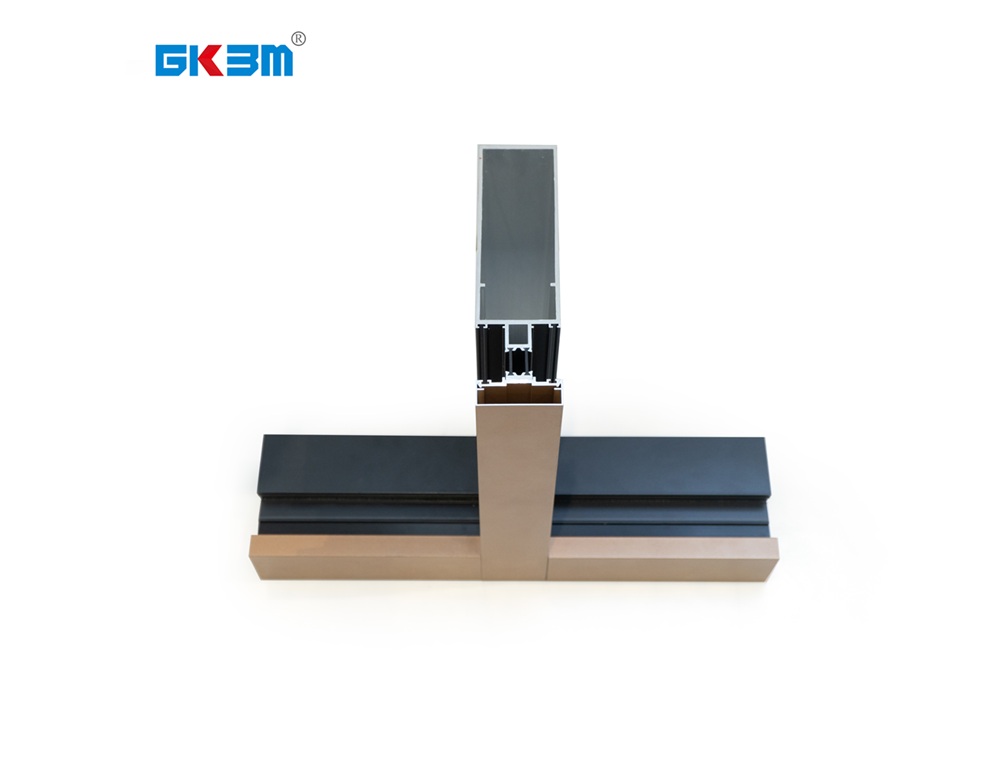
Modern curtain wall systems typically include aluminum frames, glass panels, insulation materials, and advanced sealing components. They are widely used in commercial and residential projects due to their excellent combination of functionality and visual appeal.
What Are the Advantages of Curtain Walls?
1. Creates a Modern and Elegant Building Appearance
One of the most significant advantages of curtain walls is their ability to enhance architectural beauty. Large glass surfaces and slim aluminum profiles create a clean, modern appearance that is widely preferred for high-end buildings.
With various colors, finishes, and glass options available, curtain wall systems allow architects to achieve creative facade designs that reflect a building’s unique identity.
2. Maximizes Natural Light and Indoor Comfort
Curtain walls allow more natural sunlight to enter interior spaces compared with traditional exterior walls. Improved daylighting can create brighter working environments and enhance occupant comfort.
For office buildings, commercial centers, and public facilities, a well-designed glass curtain wall can provide an open and welcoming atmosphere.
3. Lightweight Structure and Efficient Installation
Because curtain walls are non-load-bearing systems, they have a lightweight design compared with conventional masonry walls. This helps reduce the overall structural load of a building and supports more efficient construction.
Professional curtain wall systems can also be prefabricated and installed efficiently, helping shorten construction schedules for large-scale projects.
4. Excellent Energy Efficiency Performance
Modern curtain wall technology has significantly improved thermal performance. High-performance glass, insulated panels, thermal breaks, and advanced sealing systems help reduce heat transfer between indoor and outdoor environments.
A properly designed curtain wall system can contribute to lower energy consumption, improved indoor temperature control, and more sustainable building performance.
5. Strong Protection Against Weather Conditions
Curtain walls are designed to withstand various environmental conditions, including wind pressure, rain, moisture, and temperature changes. High-quality curtain wall systems provide reliable protection while maintaining long-term durability.
With professional manufacturing and installation, curtain walls can deliver stable performance throughout the building’s service life.
6. Flexible Design Options
Curtain wall systems offer extensive customization possibilities. Different types of glass, aluminum finishes, colors, and structural designs allow projects to achieve specific aesthetic and functional requirements.
Whether for skyscrapers, commercial complexes, or modern architectural landmarks, curtain walls provide excellent design flexibility.
What Are the Disadvantages of Curtain Walls?
1. Higher Initial Cost
One of the main disadvantages of curtain walls is the higher initial investment compared with traditional facade systems. The cost includes advanced materials, engineering design, manufacturing, and professional installation.
However, the long-term benefits, including energy savings, durability, and reduced maintenance needs, can provide greater value over the building’s lifetime.
2. Requires Professional Design and Installation
Curtain wall systems require precise engineering and experienced installation teams. Incorrect installation may affect waterproofing, insulation performance, and overall durability.
Working with a reliable curtain wall manufacturer is essential to ensure quality control and long-term performance.
3. Regular Cleaning and Maintenance
Glass curtain walls require periodic cleaning to maintain their appearance, especially in high-rise buildings. The sealing systems, joints, and connection points should also be inspected regularly to ensure continued performance.
4. Glass Performance Needs Careful Selection
Although modern curtain walls offer excellent energy-saving features, large glass areas may increase heat gain or heat loss if unsuitable glass types are selected.
Professional facade design and the use of high-performance glass are important to achieve optimal thermal efficiency.
5. Limited Structural Function
Since curtain walls are non-load-bearing systems, they cannot replace structural walls. They must rely on the building’s main framework for support, requiring careful coordination between architects, engineers, and contractors.
Why Choose GKBM Curtain Wall Solutions?
Understanding the advantages and disadvantages of curtain walls helps project owners select the right facade solution. At GKBM, we focus on providing high-quality curtain wall systems that combine innovative design, reliable performance, and advanced manufacturing technology.
Our curtain wall solutions are designed to meet the requirements of modern architecture, offering excellent appearance, energy efficiency, weather resistance, and long-term durability.
Whether for commercial buildings, high-rise developments, or customized architectural projects, GKBM provides professional facade solutions to help create safer, greener, and more beautiful buildings.
Curtain walls have become an essential element of modern architecture due to their outstanding design flexibility, energy efficiency, and protective performance. While they require higher initial investment and professional installation, their long-term advantages make them a valuable choice for many construction projects.
By selecting a trusted curtain wall partner like www.gkbmgroup.com, customers can achieve a balance between aesthetics, functionality, and sustainable building performance.
Post time: Jul-09-2026

.png)

